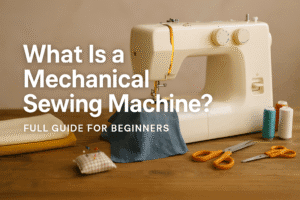
What is a Mechanical Sewing Machine? The Complete Guide to These Timeless Workhorses
When you decide to buy your first sewing machine, you’ll quickly discover two main categories: mechanical and computerized. While computerized machines tempt with their fancy screens and hundreds of stitches, the humble mechanical machine remains a beloved and highly recommended starting point for beginners and professionals alike. But what exactly makes a machine “mechanical”? This comprehensive guide will take you through every aspect of these reliable tools, from their historical origins to advanced sewing techniques.
This expert guide will break down everything you need to know about these time-tested sewing powerhouses. We’ll explain how they work, detail their significant advantages and limitations, provide detailed comparisons with computerized models, offer maintenance guides, and help you understand who they are best suited for. By the end, you’ll have a complete understanding of mechanical sewing machines and be able to make an informed decision about whether this reliable workhorse is the right creative partner for your sewing journey.
The Definition: What Makes a Sewing Machine Mechanical?
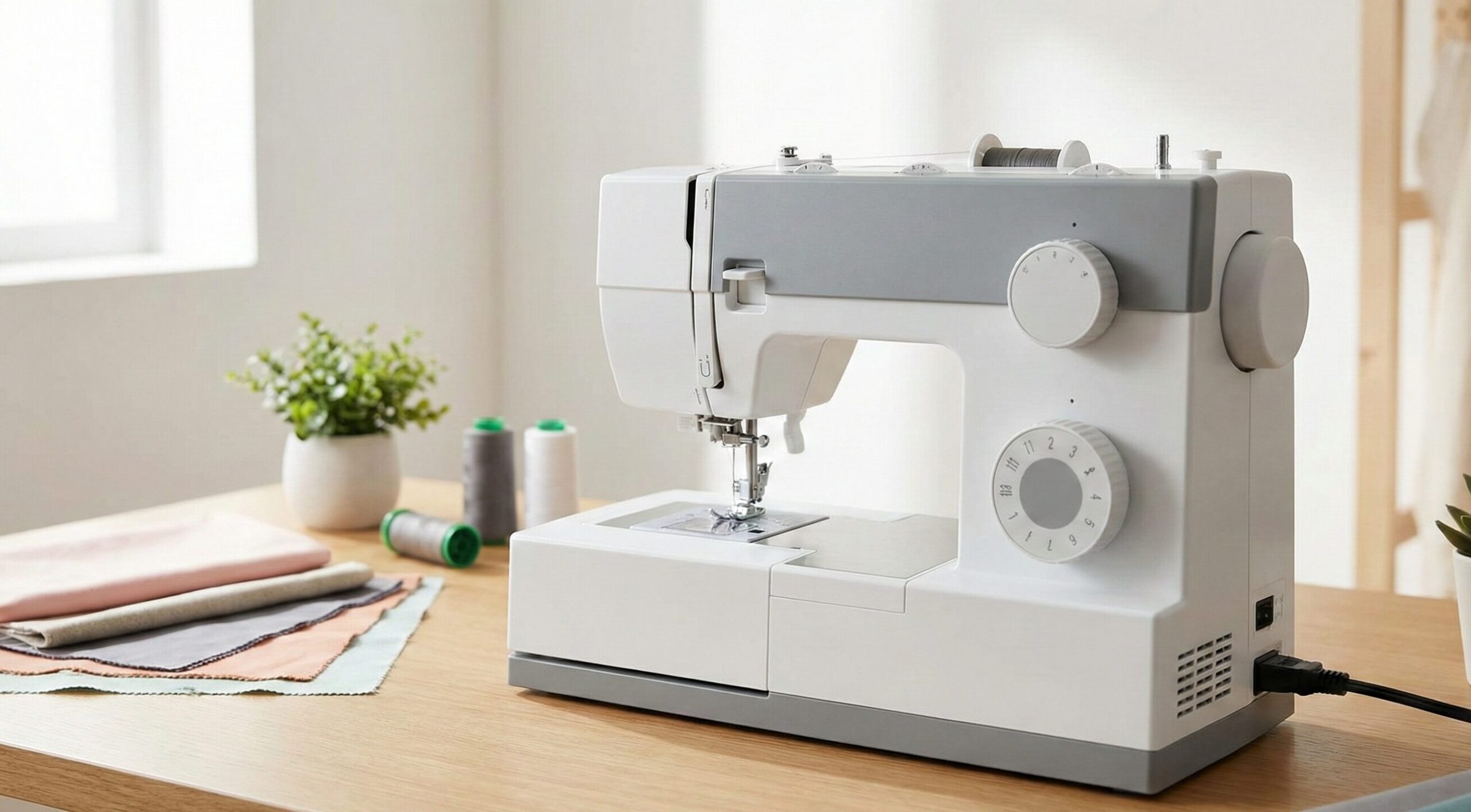
A mechanical sewing machine is one where its functions are controlled directly by the user through a system of **manual knobs, dials, and levers.** There are no LCD screens, no push-buttons for stitch selection, and no computer chips telling the machine what to do. Every action is a direct result of a physical control you have turned. This mechanical sewing machine definition encompasses all non-computerized machines from vintage Singers to modern heavy-duty models.
Think of it like a manual versus an automatic car. On a mechanical machine, you physically turn a dial to select the stitch pattern. You use separate knobs to adjust the stitch length (how far apart the stitches are) and the stitch width (how wide a zigzag is). These controls are connected to a series of internal gears, cams, and levers. When you press the foot pedal, the motor turns this entire system, creating a stitch based on the physical positions of your dials. It’s a direct, tactile, and straightforward system that has remained essentially unchanged for decades.
Key Mechanical Components Explained:
- Handwheel: The large wheel on the side that manually advances the needle
- Stitch Selector Dial: Rotating dial that chooses between different stitch patterns
- Stitch Length Lever: Controls how long each stitch is (typically 0-4mm)
- Stitch Width Dial: Adjusts the width of zigzag and decorative stitches
- Tension Dials: Separate dials for upper and lower thread tension
- Foot Pedal: Analog controller for sewing speed
The Evolution: From Treadle to Modern Mechanical Machines
The history of mechanical sewing machines is a fascinating journey through industrial innovation. The first practical sewing machine was invented by Elias Howe in 1846, but it was Isaac Singer’s improvements in 1851 that made the machine commercially viable. These early models were entirely mechanical, powered by a hand crank or treadle (foot pedal).
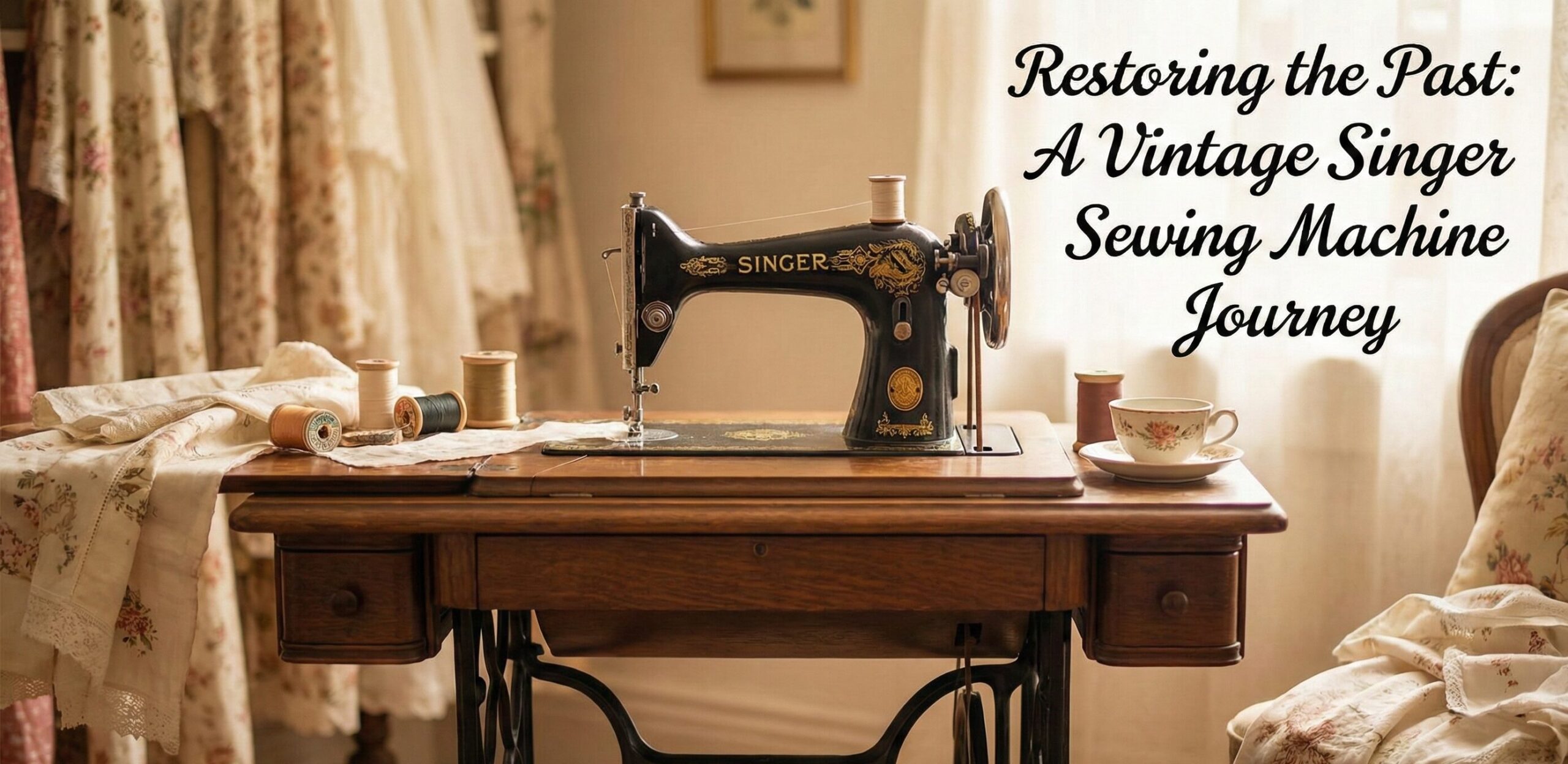
The Golden Age of Mechanical Sewing Machines (1850s-1970s): During this period, companies like Singer, Kenmore, and Brother perfected the mechanical design. Machines from this era are renowned for their all-metal construction, beautiful decorative details (like gold scrollwork on black enamel), and incredible durability. Many vintage sewing machines from this period are still in use today, a testament to their quality construction.
The Transition to Electronics (1980s-Present): With the advent of microprocessors, computerized sewing machines emerged in the 1980s. However, mechanical models didn’t disappear. Instead, they evolved into specialized categories:
- Beginner/Entry-Level Models: Simple, affordable machines for new sewists
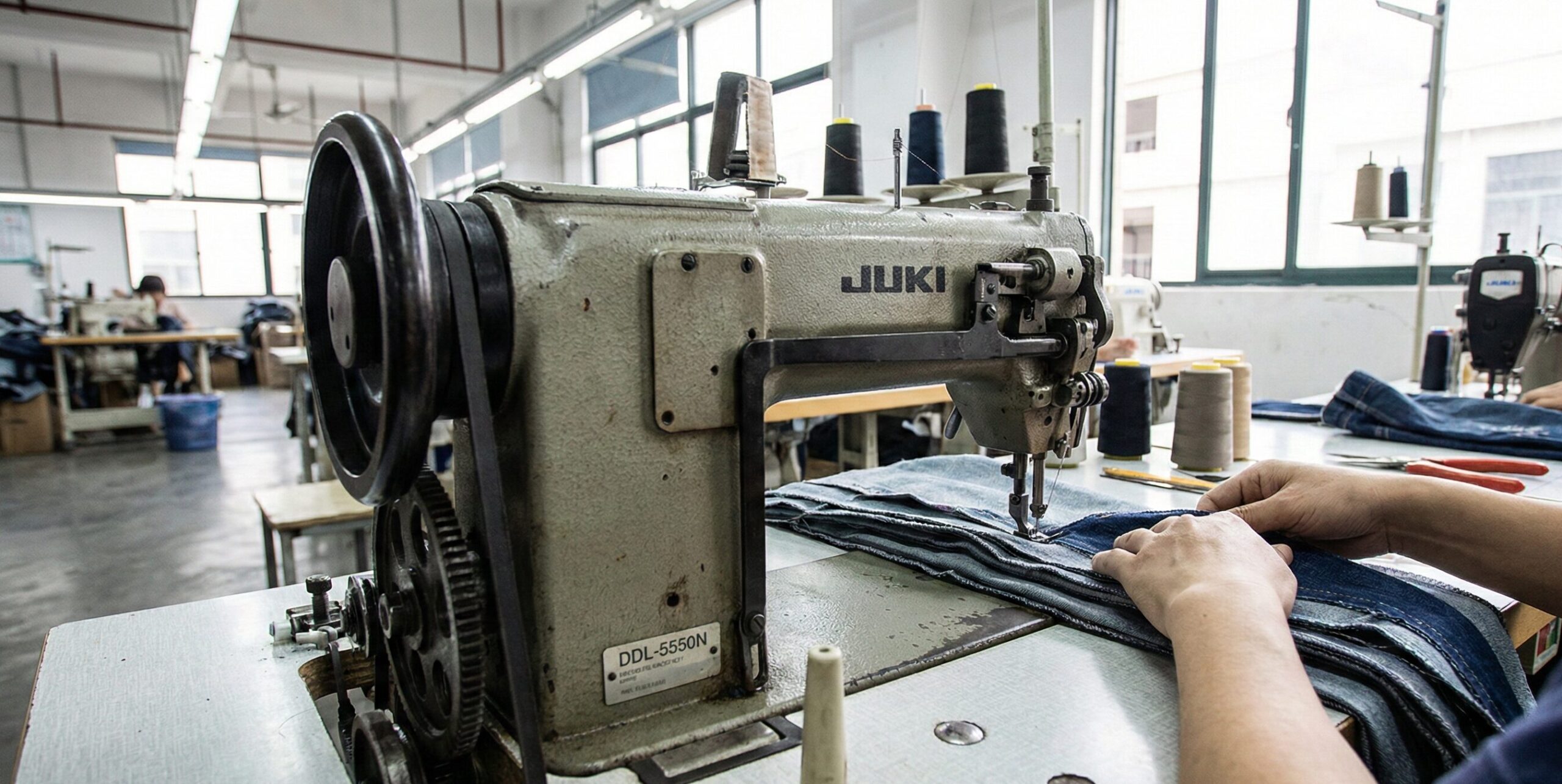
- Heavy-Duty/Industrial Models: Powerful machines designed for thick fabrics and frequent use
- Portable/Travel Machines: Lightweight mechanical options for on-the-go sewing
- Specialty Machines: Mechanical sergers, embroidery-only machines, and quilting machines
Mechanical vs. Computerized: A Detailed Comparison
Understanding the differences between mechanical and computerized sewing machines is crucial for making the right choice. Each type has its strengths and ideal use cases.
| Feature | Mechanical Sewing Machine | Computerized Sewing Machine |
|---|---|---|
| Price Range | $100 – $400 | $300 – $5000+ |
| Stitch Selection | 10-30 basic stitches | 50-1000+ stitches including alphabets |
| Buttonholes | Manual 4-step process | Automatic 1-step buttonholes |
| Needle Positioning | Manual via handwheel | Automatic with buttons |
| Speed Control | Analog foot pedal | Digital speed control with slider |
| Maintenance | Simple cleaning/oiling | More complex, may need software updates |
| Durability | Excellent (fewer electronics) | Good (but sensitive to power surges) |
| Learning Curve | Steeper initially, teaches fundamentals | Easier initially but can be overwhelming |
| Repair Costs | Lower (standard parts) | Higher (specialized electronic parts) |
When to Choose Mechanical:
- You’re a complete beginner wanting to learn sewing fundamentals
- You need a machine for heavy fabrics (denim, canvas, upholstery)
- You’re on a tight budget but want quality construction
- You live in an area with unreliable electricity
- You want a machine that will last 20+ years
- You prefer tactile, hands-on control over automation
When to Choose Computerized:
- You need specialized stitches for quilting or embroidery
- You sew clothing professionally and need efficiency features
- You have physical limitations that benefit from automation
- You want to create complex decorative projects
- You frequently use programmable stitch sequences
The Pros and Cons: Why Choose a Mechanical Machine?
The beauty of a mechanical machine lies in its simplicity and strength. While it lacks the bells and whistles of its computerized cousins, it excels in several key areas that make it the preferred choice for many sewists worldwide.
The Advantages (Why They Are Loved) ✅
- Incredible Durability: With fewer electronic parts to fail, mechanical machines are renowned for their longevity. Many feature metal interior frames and gears, making them robust and reliable workhorses that can last for decades with proper care. Vintage mechanical machines from the 1950s are still sewing perfectly today.
- Simplicity for Beginners: The straightforward, manual controls are far less intimidating for a new sewist. Learning on a mechanical machine forces you to understand the fundamental relationship between tension, stitch length, and fabric, building a strong foundation for your skills that transfers to any machine.
- Easy to Maintain: Routine maintenance like cleaning and oiling is simple. Because of their simpler mechanics, they are often easier and cheaper to service. A good local technician in a place like Dhaka can typically repair a mechanical machine with standard tools and parts.
- Affordability: Mechanical machines offer the best performance for the price, making them the most budget-friendly way to get a high-quality, long-lasting sewing machine. You’re paying for mechanics, not electronics.
- Power: Many “heavy-duty” mechanical models are prized for their powerful motors, which are geared for torque and piercing power rather than managing complex electronic functions. They can handle multiple layers of denim or canvas with ease.
- No Software Issues: You’ll never face firmware updates, software glitches, or compatibility issues. What you see is what you get, and it works consistently.
- Better Tension Control: Mechanical machines often provide more precise and adjustable tension control through physical dials, which many experienced sewists prefer for perfect stitch formation.
The Limitations (What You Give Up) ❌
- Limited Stitch Selection: You’ll typically get between 10 to 30 essential utility and basic decorative stitches, but you won’t find hundreds of patterns or lettering fonts. Complex embroidery designs are not possible.
- Manual Operation: Features like creating a buttonhole are often a more hands-on, 4-step process instead of an automated 1-step function. They rarely include luxuries like an automatic needle threader or thread cutter.
- Less Convenience: Changing from a straight stitch to a zigzag requires turning multiple dials, whereas on a computerized machine it’s a single button press. There’s no memory function for custom stitch settings.
- No Speed Regulation: Sewing speed depends entirely on your foot pressure on the pedal, which can be challenging for beginners to control consistently.
- Limited Precision: Without digital controls, achieving exact stitch length/width measurements requires more skill and attention.
- No Automatic Functions: Features like automatic needle up/down, thread cutting, or presser foot lifting are typically absent.
Top Mechanical Sewing Machine Models Compared
Not all mechanical sewing machines are created equal. Here’s a detailed comparison of the most popular models on the market today, including their best uses and limitations.
| Model | Best For | Key Features | Stitches | Approx. Price |
|---|---|---|---|---|
| Singer Heavy Duty 4423 | Denim, canvas, thick fabrics | 1,100 SPM, All-metal frame | 23 | $180-$250 |
| Brother XM2701 | Beginners, light to medium fabrics | Lightweight, easy to use | 27 | $100-$150 |
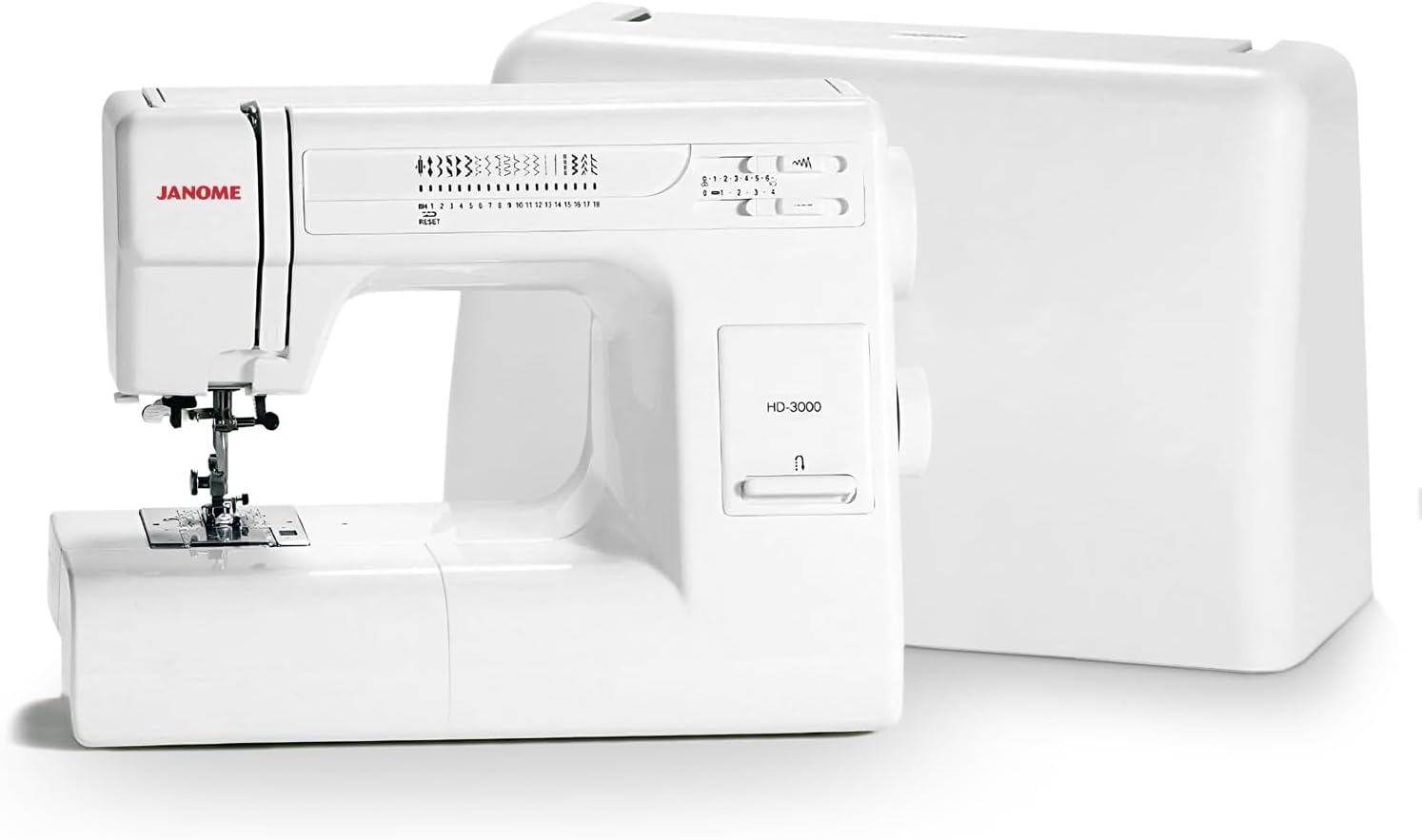
| Janome HD3000 | All-purpose sewing | Heavy-duty but versatile | 18 | $350-$450 |
| Juki HZL-F600 | Advanced sewists | High precision, smooth operation | 25 | $700-$900 |
| Bernina 1008 | Professional quality | Swiss precision, reliable | 8 | $800-$1,000 |
| Elna 1000 | Quilting, general sewing | Good feed dogs, even stitching | 10 | $200-$300 |

1. The Heavy-Duty Powerhouse: SINGER 4423
This modern classic is one of the most highly recommended mechanical machines. It’s beloved for its powerful 1,100 stitches-per-minute motor, high sewing speed, and sturdy all-metal interior frame. The Singer 4423 features 23 built-in stitches including basic, stretch, and decorative options. It’s simple enough for a beginner to master, but strong enough to handle thick fabrics like denim, canvas, leather, and upholstery materials with ease. The extra-high presser foot lifter provides additional clearance for multiple fabric layers, making it perfect for quilting and home decor projects. This machine represents the pinnacle of affordable, powerful mechanical sewing technology.
Check Price on AmazonWho is a Mechanical Sewing Machine For?
A mechanical sewing machine is the ideal choice for several types of users, each with specific needs and preferences that align with the mechanical machine’s strengths.
1. The Absolute Beginner
Starting with a mechanical machine teaches sewing fundamentals that will serve you for life. You’ll learn how thread tension actually works, how stitch length affects different fabrics, and how to properly maintain your equipment. These skills transfer to any machine you might use in the future. Beginner sewing projects like pillowcases, tote bags, and simple garments are perfectly suited to mechanical machines.
2. The Practical Home Sewist
If you need a machine for practical tasks like mending clothes, altering garments, making curtains, or creating household items, a mechanical machine is perfect. It handles these common tasks efficiently without unnecessary complexity. The durability means it can sit unused for months and still work perfectly when you need it.
3. The Cost-Conscious Crafter
Mechanical machines offer the best value in sewing. For $150-$300, you can get a machine that will last decades and handle 95% of common sewing tasks. Compare this to computerized machines where you might pay twice as much for features you’ll rarely use.
4. The Vintage Sewing Enthusiast
Many sewists appreciate the aesthetic and tactile experience of vintage mechanical machines. Restoring and using vintage Singers, Kenmores, or Pfaffs is a hobby in itself. These machines often have beautiful decals, smooth mechanical actions, and a connection to sewing history.
5. The Professional with Simple Needs
Some professionals, like those who make bags, pet products, or home decor items, prefer mechanical machines for their reliability and power. When your livelihood depends on your equipment, the simplicity and durability of a mechanical machine can be more valuable than fancy features.
6. Sewists in Challenging Environments
If you live in an area with unreliable electricity, frequent power surges, or high humidity, mechanical machines are more resilient. They’re less likely to be damaged by electrical issues and don’t have sensitive electronics that can fail in humid conditions.
Essential Accessories for Mechanical Sewing Machines
To get the most from your mechanical sewing machine, you need the right accessories. Here’s a comprehensive guide to must-have and nice-to-have additions.

2. Complete Sewing Starter Kit
Once you’ve chosen your machine, you’ll need the right accessories. This type of kit provides all the essential notions in one package: a variety of threads in basic colors, a flexible measuring tape, a high-quality seam ripper for fixing mistakes, sharp thread snips, a pincushion filled with quality pins, hand-sewing needles, and fabric markers. Having these basics organized and ready prevents frustration and makes your sewing sessions more productive. This kit is the perfect companion to your new mechanical machine, ensuring you have everything needed for most beginner and intermediate projects.
Check Price on AmazonMust-Have Accessories:
- Extra Bobbins: Get plenty of bobbins in the correct style for your machine
- Needle Variety Pack: Universal, denim, stretch, and microtex needles in various sizes
- Specialty Presser Feet: Zipper foot, buttonhole foot, walking foot, quilting foot
- Good Quality Thread: Avoid cheap thread that produces lint and breaks easily
- Machine Oil: High-quality sewing machine oil for regular maintenance
- Cleaning Brushes: Small brushes for removing lint from the bobbin area
Recommended Upgrades:
- Magnetic Seam Guide: Helps sew straight seams without marking fabric
- LED Machine Light: Improves visibility, especially on older machines
- Extension Table: Provides larger work surface for quilting or large projects
- Thread Stand: For using large cones of thread without tension issues
- Knee Lift Lever: Attachment that lets you lift the presser foot with your knee
Complete Maintenance Guide for Mechanical Machines
Proper maintenance is key to keeping your mechanical sewing machine running smoothly for decades. Unlike computerized machines, most maintenance can be done at home with basic tools.
Weekly Maintenance (After 8-10 Hours of Sewing)
- Remove the needle plate and bobbin case
- Use a small brush to remove lint from the bobbin area
- Clean the feed dogs with a soft brush
- Wipe down the machine exterior with a soft cloth
- Check the needle for dullness or damage and replace if needed
Monthly Maintenance
- Complete weekly maintenance steps
- Oil the machine according to your manual’s instructions
- Check belt tension on machines with belts
- Test stitch quality on scrap fabric
- Clean and lubricate the handwheel mechanism
Annual Deep Cleaning
- Have a professional service technician clean internal mechanisms
- Replace any worn parts (springs, belts, etc.)
- Have the motor brushes checked and replaced if worn
- Get the machine professionally calibrated and timed
Common Mechanical Machine Problems and Solutions
Problem: Skipped Stitches
Possible Causes: Wrong needle type/size, bent needle, incorrect threading, poor quality thread, incorrect tension settings.
Solution: Replace needle with correct type for fabric, rethread completely, use quality thread, adjust tension gradually.
Problem: Thread Bunching Under Fabric (Bird’s Nesting)
Possible Causes: Incorrect bobbin threading, bobbin inserted wrong direction, upper thread not in tension disks, damaged bobbin case.
Solution: Rethread bobbin ensuring correct direction, check upper threading path, inspect bobbin case for nicks or damage.
Problem: Machine Won’t Run
Possible Causes: Foot pedal disconnected, power cord issue, handwheel locked, motor brushes worn out.
Solution: Check all connections, ensure handwheel turns freely, have motor checked by technician if brushes are worn.
Advanced Techniques on Mechanical Machines
While mechanical machines lack automated features, they’re capable of advanced techniques with practice and the right accessories.
Perfect Buttonholes on Mechanical Machines
Most mechanical machines use a 4-step buttonhole process. While more involved than automatic buttonholes, they offer greater control and often produce stronger results.
4-Step Buttonhole Process:
- Step 1 (Right Side): Set stitch width to widest, stitch length to 0.5mm. Sew forward 5-6 stitches to create the right side of the buttonhole.
- Step 2 (Bottom Bar Tack): Without moving fabric, set machine to zigzag at 0 length. Sew 4-5 stitches to create the bottom bar tack.
- Step 3 (Left Side): Return to straight stitch, sew backward to starting point to create left side.
- Step 4 (Top Bar Tack): Create top bar tack same as bottom, then secure threads.
Quilting with Mechanical Machines
Mechanical machines excel at straight-line quilting. The key is using a walking foot attachment, which helps feed multiple layers evenly. For free-motion quilting, you’ll need to lower or cover the feed dogs and use a darning or free-motion foot.
Working with Difficult Fabrics
Denim/Canvas: Use a denim needle (size 90/14 or 100/16), increase stitch length to 3.0-3.5mm, go slowly, and consider using a hump jumper or folded fabric to help over thick seams.
Sheer/Delicate Fabrics: Use a microtex or sharp needle (size 60/8 or 70/10), place tissue paper under fabric while sewing, decrease stitch length to 1.5-2.0mm, and use light tension.
Knit/Stretch Fabrics: Use a ballpoint or stretch needle, slightly decrease tension, use a narrow zigzag stitch (width 0.5-1.0mm) instead of straight stitch, and consider a walking foot.
Buying Guide: How to Choose the Right Mechanical Machine
With so many options available, choosing the right mechanical sewing machine requires careful consideration of your needs, budget, and sewing goals.
Key Factors to Consider:
1. Your Sewing Projects
Light/General Sewing: (Garments, crafts, mending) – Look for machines with 15-25 stitches, lightweight but stable construction.
Heavy-Duty/Denim: (Bags, upholstery, jeans) – Prioritize all-metal frame, powerful motor (at least 0.7 amp), high lift presser foot.
Quilting: (Quilts, patchwork) – Look for extension table compatibility, good visibility around needle, even feed capability.
2. Construction Quality
- Metal vs. Plastic: Internal metal parts last longer than plastic
- Frame Type: Full metal frames are sturdier than partial frames
- Motor Power: Measured in amps – higher is better for thick fabrics
- Weight: Heavier machines (15+ lbs) vibrate less during use
3. Included Features
- Stitch Selection: Do you need specific stitches?
- Presser Feet: Which feet are included? Zipper foot essential
- Lighting: Built-in light quality and position
- Accessories: Bobbins, needles, seam ripper included?
- Warranty: Length and what it covers
4. Budget Considerations
Under $150: Basic entry-level models, mostly plastic construction, limited features but good for beginners.
$150-$300: Best value range, mix of metal and plastic, good feature set, suitable for most home sewists.
$300-$500: Higher-end mechanicals, more metal construction, smoother operation, better motors.
$500+: Professional-grade mechanicals, all-metal construction, industrial components, exceptional durability.
New vs. Used/Vintage
New Machines ✅
- Full warranty (usually 25 years)
- Latest features and improvements
- Easy to find accessories and parts
- No previous wear or damage
- Comes with manual and accessories
Used/Vintage Machines ❌
- May need servicing immediately
- Parts may be hard to find
- No warranty
- May have hidden issues
- Manual may be missing
Learning Resources for Mechanical Machine Users
Mastering a mechanical sewing machine requires practice and education. Here are valuable resources for every skill level.
Books for Mechanical Sewing Machine Users:
- “The Sewing Machine Classroom” by Charlene Phillips – Comprehensive guide covering all mechanical machine operations
- “Reader’s Digest Complete Guide to Sewing” – Classic reference with detailed mechanical machine instructions
- “The Sewing Book” by Alison Smith – Beautifully illustrated guide with machine-specific techniques
- “Sewing for Dummies” by Janice Saunders Maresh – Excellent beginner resource
Online Learning Platforms:
- Craftsy (now Bluprint): Professional sewing classes for all levels
- YouTube Channels: Professor Pincushion, Made to Sew, Evelyn Wood
- Skillshare: Various sewing classes with project-based learning
- Manufacturer Websites: Singer, Brother, Janome offer free tutorials
Local Learning Options:
- Fabric Store Classes: Many offer beginner sewing classes
- Community Colleges: Often have affordable continuing education courses
- Sewing Circles/Guilds: Local groups for sharing knowledge
- Private Lessons: One-on-one instruction tailored to your needs
Frequently Asked Questions About Mechanical Sewing Machines
Future of Mechanical Sewing Machines
Despite the rise of computerized models, mechanical sewing machines continue to have a strong future for several reasons:
1. Educational Value
Many sewing schools and educational programs continue to use mechanical machines to teach fundamentals. Understanding mechanical principles makes students better sewists regardless of what machine they eventually use.
2. Niche Markets
Specialty mechanical machines for specific tasks (like leather working, sail making, or shoe repair) continue to be produced because their simplicity and power are exactly what these applications require.
3. Reliability in Challenging Environments
In areas with unreliable electricity, developing countries, or remote locations, mechanical machines remain the practical choice. Their durability and repairability with basic tools make them ideal for these situations.
4. Retro and Vintage Trends
The growing interest in vintage and retro items has created renewed appreciation for mechanical machines. Many younger sewists are discovering the appeal of vintage Singers and other classic machines.
5. Hybrid Models
Some manufacturers are creating “best of both worlds” machines with mechanical controls but some computerized conveniences, like LED displays for stitch settings while maintaining manual dial controls.
Conclusion: The Timeless Choice
In a world of ever-increasing technology, the mechanical sewing machine stands as a testament to the beauty of simple, robust, and effective design. It is a tool built for a single purpose: to create a strong, reliable stitch, and it does so exceptionally well. From the beginner learning their first straight stitch to the professional needing a reliable workhorse for heavy fabrics, mechanical machines serve their users with dependable performance year after year.
The mechanical sewing machine teaches patience, understanding, and skill. It connects us to generations of sewists who created beautiful garments and practical items with similar tools. While it may lack the flashy features of computerized models, it offers something more valuable: reliability, durability, and the satisfaction of truly understanding and controlling your craft.
If you are looking to begin your sewing journey on a machine that is easy to learn, forgiving of mistakes, powerful enough to grow with you, and will last for years to come, then a mechanical sewing machine is not just a good choice—it’s very likely the perfect choice. Whether you choose a vintage model with history and character or a modern heavy-duty workhorse, you’re investing in a tool that will serve you faithfully for decades, creating everything from simple mends to complex projects with equal capability.
Remember: The best sewing machine isn’t the one with the most features or highest price tag. It’s the one that you’ll actually use, that helps you bring your creative visions to life, and that stands ready whenever inspiration strikes. For countless sewists around the world, that machine is—and always will be—a trusty mechanical sewing machine.