Crisp Seams & Flat Blocks: The 7 Best Steam Irons for Sewing and Quilting
Discover the high-performance irons that make pressing seams a dream, not a chore—tested for heat, steam pressure, and endurance.
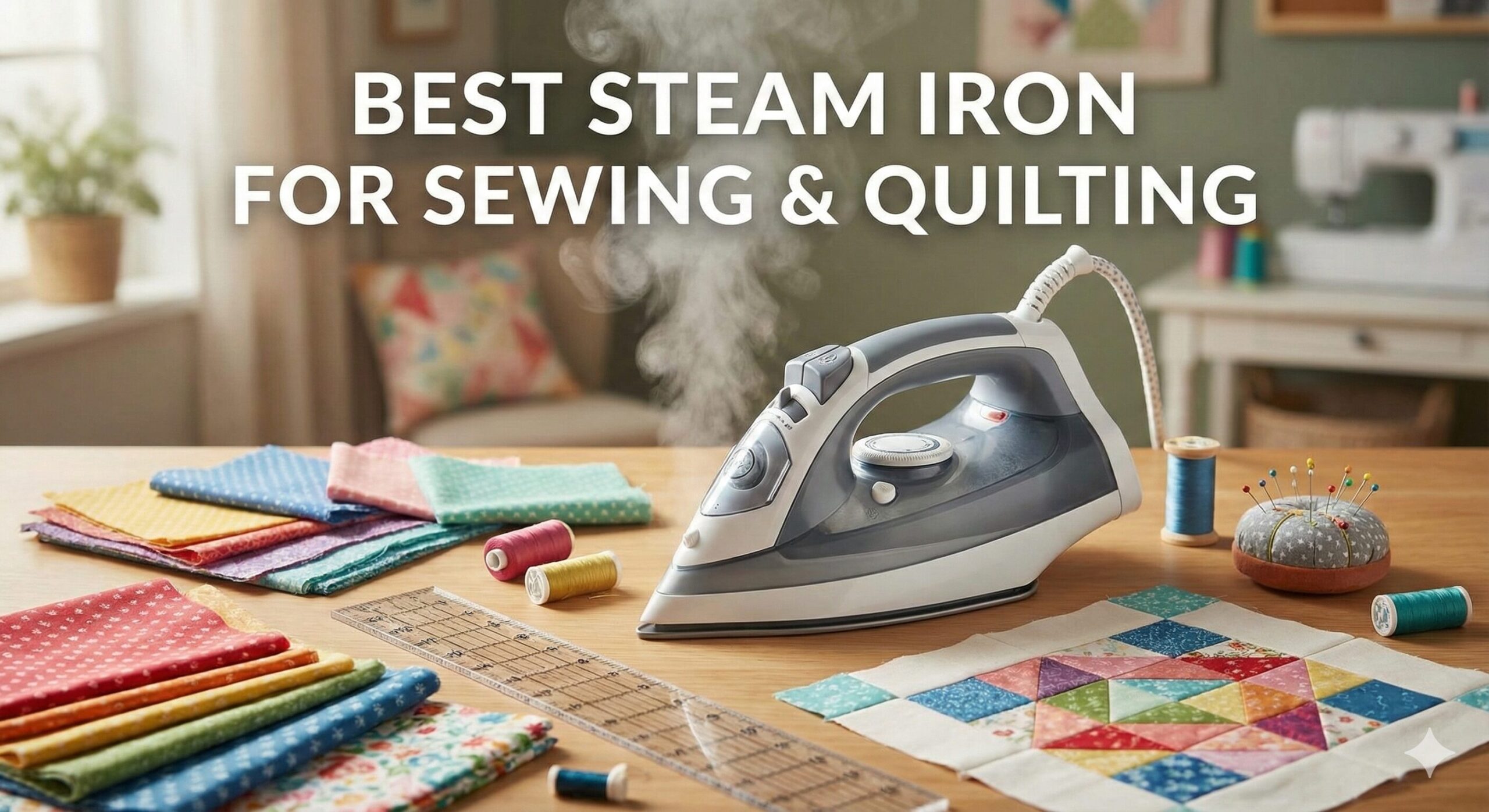
If you’ve ever tried to piece a quilt block with wonky seams or construct a garment with fabric that refuses to lay flat, you know the secret truth of the sewing world: pressing is just as important as sewing. In fact, many professional quilters spend nearly as much time at the ironing board as they do at the sewing machine.
But not all irons are created equal. The standard household iron you use for dress shirts often lacks the sustained heat, precise steam delivery, and weight needed to flatten stubborn cotton seams or fuse heavy interfacing. For sewing and quilting, you need a workhorse—a tool that offers sharp tips for opening seams, massive steam bursts for setting creases, and the durability to stay on for hours during a marathon quilting session.
In this comprehensive guide, we have tested and analyzed the top contenders on the market to bring you the 7 best steam irons specifically engineered for the rigors of sewing and quilting. Whether you are looking for a heavy-duty steam station or a nimble mini iron for paper piecing, we have found the perfect match for your sewing room.

Quick Top Picks: At a Glance
Don’t have time to read the full breakdown? Here is the cheat sheet for the best irons depending on your specific needs:
- Best Overall Powerhouse: Rowenta DG8624 Perfect Steam Station
- Best Smart Technology (Anti-Scorch): Oliso TG1600 Pro Plus
- Best Value Performance: CHI Steam Iron with Titanium Soleplate
- Best for Arthritic Hands: Reliable Maven 120IS
- Best Cordless Freedom: Panasonic 360 Freestyle
- Best Precision Tip: Singer SteamCraft Plus
- Best for Classes & Retreats: Steamfast SF-717 Mini
1. Rowenta DG8624 Perfect Steam Station
When it comes to flattening multiple layers of fabric—like the thick junctions in a quilt top—gravity feed irons and steam stations are king. The Rowenta DG8624 is a beast of a machine that bridges the gap between industrial equipment and home appliances.
Unlike a standard iron where water drips from a small internal tank, this unit generates high-pressure steam in a separate base. This results in 3x more steam than a traditional iron. The pressure allows the steam to penetrate deep into the fibers, instantly relaxing them. For quilters, this means your blocks come out perfectly square with minimal effort.
• Wattage: 1800 Watts
• Water Capacity: 37 oz (Removable Tank)
• Steam Pressure: 5.8 Bars
• Soleplate: Microsteam 400 Laser Stainless Steel
|
Pros
|
Cons
|
Why it wins for sewing: The sustained steam pressure means you don’t have to press *hard*. The steam does the work, preventing the distortion of bias edges.
2. Oliso TG1600 Pro Plus Smart Iron
If you have ever attended a quilting retreat, you have likely seen the glowing yellow or pink body of an Oliso. This iron is famous for its “iTouch” technology. When you let go of the handle, scorch guards automatically lift the iron off the board. When you touch the handle again, it lowers.
This feature is a game-changer for sewists who constantly switch between sewing a seam and pressing it. You never have to tip the iron vertically, which reduces wrist strain and the risk of knocking the iron over. It essentially acts like an extra hand in your sewing room.
• Wattage: 1800 Watts
• Cord Length: 12 feet (360-degree pivot)
• Auto-Shutoff: 30 minutes (extended for quilters)
• Soleplate: Diamond Ceramic Flow
|
Pros
|
Cons
|
While discussing tools that make the sewing process smoother, having the right cutting surface is equally vital. Check out our guide on the best quilting cutting mats to pair with your new iron, ensuring your entire workflow is ergonomic.

3. CHI Steam Iron for Quilting
CHI is primarily known for their high-end hair straighteners, and they have successfully brought that ceramic heating technology to the world of fabric care. The standout feature here is the titanium-infused ceramic soleplate. It is incredibly slick, non-stick, and durable.
For sewists working with fusible web or appliqués, a non-stick soleplate is mandatory. If you accidentally get a bit of glue on the CHI, it wipes off much easier than on stainless steel versions. It also boasts over 300 steam holes, ensuring even distribution rather than wet spots.
• Wattage: 1700 Watts
• Material: Titanium Infused Ceramic
• Steam Selection: Adjustable lever
• Weight: Approx. 3 lbs
|
Pros
|
Cons
|

4. Reliable Maven 120IS Home Ironing Station
The Reliable Maven 120IS is another steam station unit, but with a distinct focus on longevity and water capacity. It holds a massive 1 liter of water, allowing you to quilt for hours without stopping to refill.
What sets the Maven apart is the replaceable anti-scale cartridge system, which is fantastic if you live in an area with hard water. Scale buildup is the number one killer of steam irons, and Reliable has engineered a solution to extend the life of your investment.
• Tank Capacity: 1L (Removable)
• Steam Ready Time: 30 seconds
• Soleplate: Ceramic
• Warranty: 1 Year Limited
If you are setting up a dedicated sewing station, this iron pairs perfectly with specialized furniture. Consider looking at our reviews of the best sewing tables to ensure you have enough surface area for a steam station.
|
Pros
|
Cons
|

5. Panasonic 360 Freestyle Cordless
Cords are the enemy of large quilt tops. They drag across your freshly pressed fabric, creating new wrinkles, or get snagged on the edge of the ironing board. The Panasonic 360 Freestyle eliminates this frustration entirely.
The “360” in the name refers to the double-tipped soleplate. Unlike standard irons that have a flat back, this iron is pointed at both ends. This allows you to move the iron forward and backward without bunching up fabric—a massive advantage when pressing complex blocks or pleats.
• Type: Cordless (Charges on base)
• Soleplate: Double-tipped Ceramic
• Case: Includes heat-resistant carrying case
• Steam Vents: All around perimeter
|
Pros
|
Cons
|

6. Singer SteamCraft Plus
Singer is a heritage brand in sewing, so it makes sense they would design an iron specifically for their demographic. The SteamCraft Plus features a specifically designed “OnPoint” tip technology. The tip is sharper and more extended than average irons, allowing you to press around buttons, into pleats, and open very narrow seam allowances with ease.
If you are a garment sewer, this precision is invaluable. Pair this with high-quality sewing scissors for precise trimming, and your finishing will look professional every time.
• Wattage: 1700 Watts
• Cord Length: 10 feet (360 pivot)
• Tank: 300ml
• Auto-off: 30-minute vertical delay
|
Pros
|
Cons
|

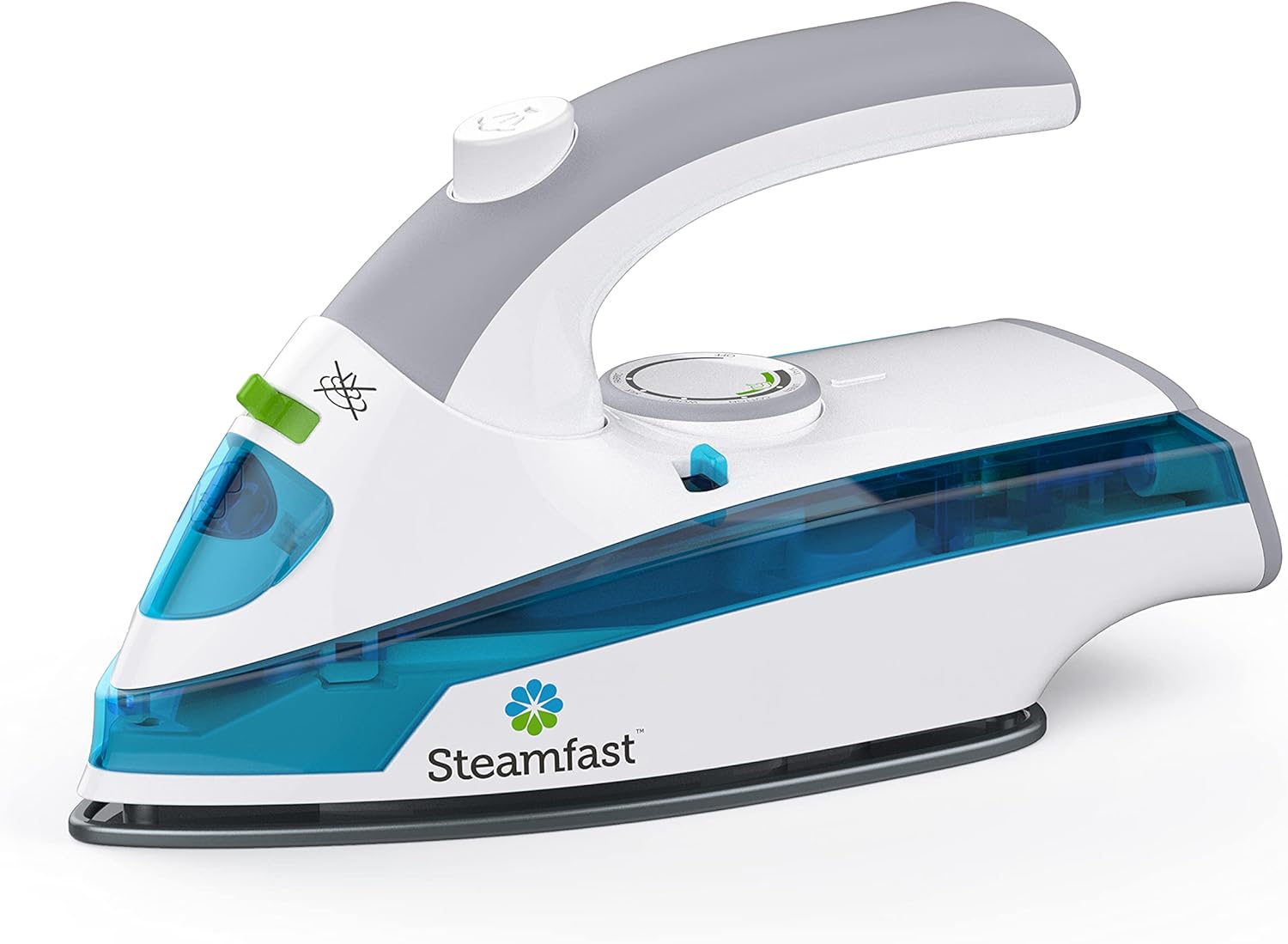
7. Steamfast SF-717 Mini Travel Iron
Don’t let the size fool you. The Steamfast SF-717 is a cult favorite among quilters, especially for paper piecing or keeping next to the sewing machine for quick presses. It is roughly the size of a computer mouse, heats up incredibly fast, and gets shockingly hot.
It is the perfect companion for sewing retreats or for setting up a mini pressing station on your sewing table using a wool mat. Because it is so small, you have total visibility over exactly where you are pressing.
• Wattage: 420 Watts
• Weight: 0.96 lbs
• Voltage: Dual Voltage (Travel ready)
• Cord: 7.5 feet
|
Pros
|
Cons
|
This mini iron is often used alongside specific notions for precision. You might find our article on the best sewing clips helpful for managing small pieces before you press them.
Buyer’s Guide: How to Choose a Sewing Iron
Choosing an iron for sewing is different than choosing one for laundry. When you are constructing a quilt or garment, the iron is a construction tool, not just a cleaning tool. Here are the critical factors you must consider:
1. Steam Output and Holes
For quilting, you want steam that penetrates. Look for irons with a high number of steam holes (like the 400 on the Rowenta) or high-pressure systems. More steam means flatter seams and crisp edges. A “Burst of Steam” feature is essential for setting creases in thick fabrics like denim or canvas.
2. Soleplate Material
- Stainless Steel: Durable, heats up fast, easy to clean. Great for crisp cottons and linens.
- Ceramic: Even heat distribution, prevents static, and is non-stick. This is the better choice if you work often with synthetics or fusible web, as it wipes clean easier.
3. Weight vs. Pressure
In sewing, weight is often a good thing. A heavier iron helps press seams flat without you having to apply excessive muscular force, which can distort the fabric grain. However, if you have arthritis or wrist issues, opt for a steam station (where the water weight is in the base) or the Oliso (which lifts itself) to save your joints.
4. Auto-Shutoff Time
Standard irons usually shut off after 8 minutes of inactivity. For quilters, this is annoying because you might sew for 15 minutes before needing to press a seam, only to find your iron cold. Look for irons with a 30-minute shutoff or a manual bypass option.
Frequently Asked Questions
Steam can sometimes distort the fabric grain or shrink blocks unevenly. For precision piecing (especially with bias edges), many quilters turn the steam off or use a completely dry iron to ensure the block retains its exact dimensions until the final block assembly.
Most modern irons, including Rowenta, are designed for tap water. However, if you live in an area with very hard water, it is recommended to mix 50% tap water with 50% distilled water. Never use 100% distilled water unless the manual specifically says so, as it can cause some irons to leak.
If you get fusible web on your iron, do not scrape it! Use a specialized iron cleaner or a dryer sheet. Heat the iron slightly (low setting), rub the dryer sheet over the residue, and then wipe clean with a cotton cloth or paper towel.
If you sew daily or quilt large king-size tops, yes. The continuous high-pressure steam cuts ironing time dramatically. For hobbyists who sew occasionally, a high-quality standard steam iron is sufficient.
Cotton requires high heat. Set your iron to the “Cotton” or “Linen” setting (usually the highest dots). Always test on a scrap piece first to ensure no scorching occurs, especially if the cotton is dark-colored.
Ideally, perform the self-clean or descaling function once a month if you use the iron regularly. This prevents calcium buildup from clogging the steam vents, which can lead to brown water spitting onto your clean fabric.
Modern cordless irons like the Panasonic Freestyle get very hot. However, they lose heat the moment they leave the charging base. They are excellent for quick pressing tasks (like patchwork) but struggle with long, continuous ironing sessions (like pressing 4 yards of backing fabric).
Spitting usually happens if the iron isn’t hot enough to turn the water into steam. Allow the iron to heat fully before using the steam burst button. Overfilling the tank or storing the iron with water in it can also cause leaks.