Stop the Ache: The 7 Best Sewing Chairs for Back Pain in 2026
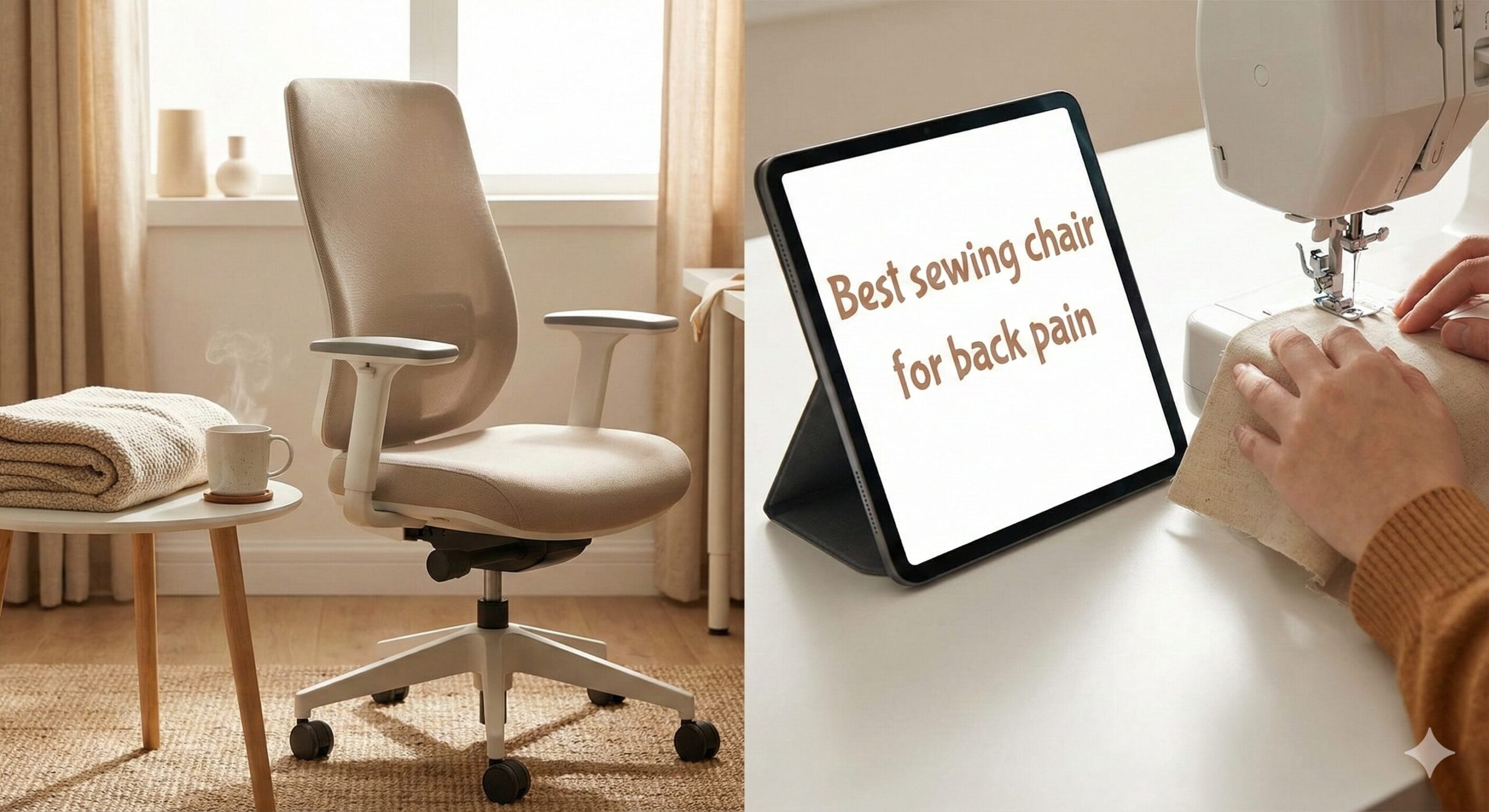
Don’t let the “sewist’s hunch” ruin your creativity. Discover the chairs engineered to support your spine during marathon quilting sessions.
We have all been there. You sit down to sew “just one more row,” and three hours later, you try to stand up only to be greeted by a sharp pain in your lower back and stiffness in your neck. The “sewist’s hunch”—leaning forward to see the needle—is a recipe for chronic spinal issues.
Standard dining chairs or cheap office chairs simply don’t cut it. Sewing is an active task that requires a forward-leaning posture, distinct from the reclined posture of typing. The best sewing chair for back pain must have a waterfall seat edge to keep circulation flowing to your legs, aggressive lumbar support to counter the hunch, and hydraulic adjustability to align your elbows perfectly with your machine bed.
In this guide, we have analyzed the top ergonomic seating options, from dedicated sewing furniture to high-end office solutions, to help you sew pain-free.

Quick Top Picks: At a Glance
- Best Dedicated Sewing Chair: Arrow Hydraulic Sewing Chair
- Best for Deep Back Pain: Ticova Ergonomic High Back
- Best for Posture Correction: Reliable SewErgo 200SE
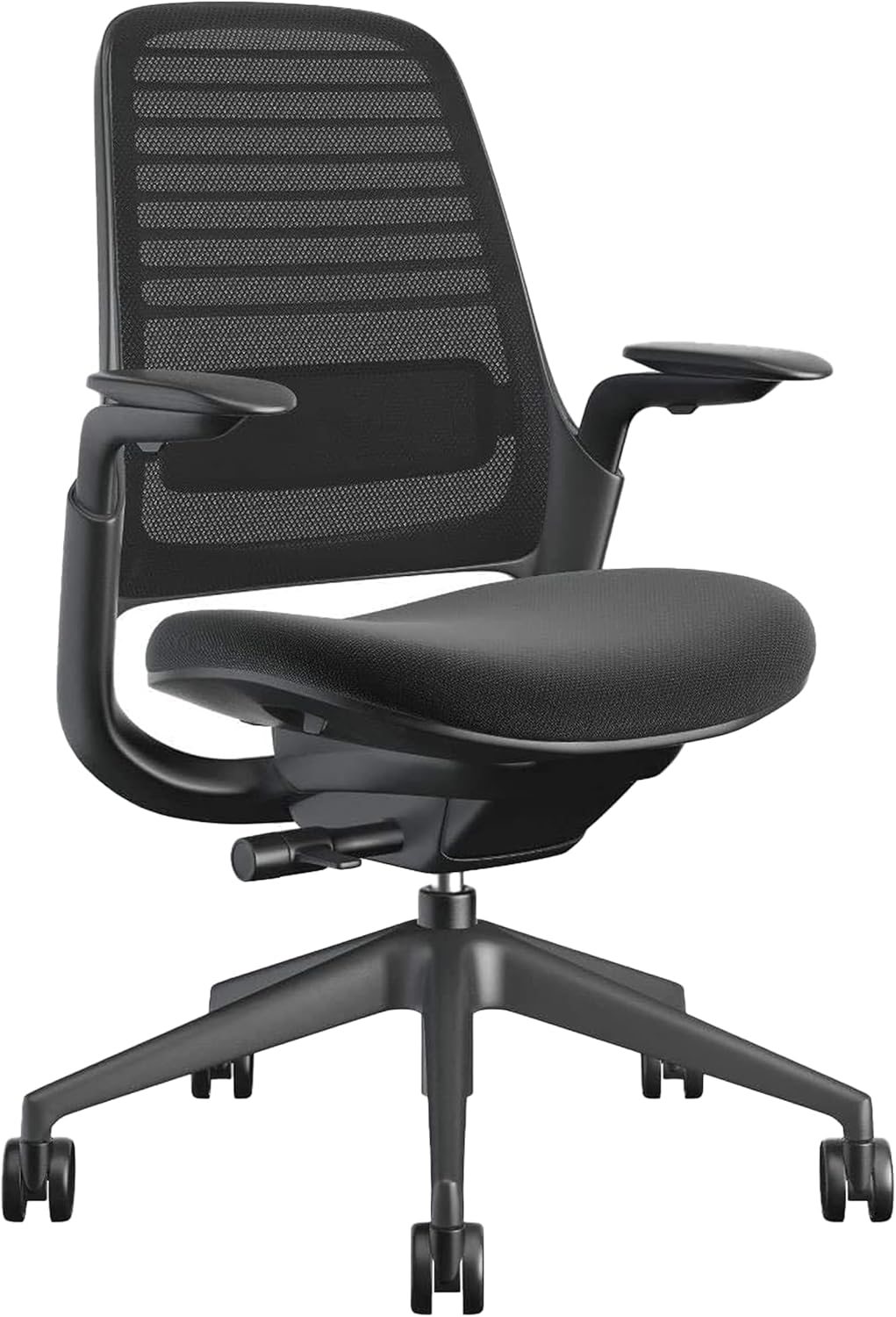
- Best Premium Splurge: Steelcase Series 1
- Best Budget Option: Boss Office Perfect Posture
- Best for Hot Climates: Gabrylly Mesh High Back
- Best for Cutting Tables: Modway Edge Drafting Chair
1. Arrow Hydraulic Sewing Chair
Arrow is a brand that specializes in sewing furniture, and it shows. This chair isn’t just a rebranded office chair; it is built for the craft room. The defining feature is the hidden storage compartment under the seat cushion, perfect for stashing scissors, bobbins, or patterns.
Ergonomically, it shines because of its hydraulic lift mechanism. Finding the exact height alignment with your sewing machine bed is critical to preventing shoulder strain. This chair allows for micro-adjustments that standard wooden chairs cannot offer. The back support is firm, encouraging you to sit up straight rather than slouching back.
If you are setting up a complete ergonomic station, pair this chair with one of the best sewing tables to ensure your knee clearance is adequate.
- Weight Capacity: 250 lbs
- Material: Heavy-duty cotton upholstery (Gingerbread/Buttons)
- Storage: Under-seat compartment
- Base: 5-star base with casters
- Hidden storage keeps small notions handy.
- Colorful fabric options match sewing room aesthetics.
- Hydraulic lift is smooth and durable.
- Armless design prevents interference with quilt fabric.
- Cushion can be a bit firm for some users initially.
- Backrest is lower than high-end office chairs.
2. Ticova Ergonomic Office Chair
If your back pain is severe, you might need to look outside the “crafting” category and into professional ergonomics. The Ticova is a powerhouse for lumbar support. It features a completely adjustable lumbar pad that moves both up/down and in/out, allowing you to control exactly how much pressure is applied to your lower spine.
The mesh back is highly breathable, preventing that sweaty back feeling during summer quilting sessions. It also includes an adjustable headrest, which is a lifesaver for taking quick breaks to lean back and relax your neck muscles after staring at the needle for hours.
- Lumbar: Fully adjustable (depth and height)
- Armrests: 3D metal armrests (can be lowered)
- Headrest: Included and adjustable
- Recline: 130 degrees
- Superior lumbar customization for chronic pain.
- Waterfall seat edge reduces pressure on thighs.
- High back supports the entire spine, including the neck.
- It has armrests (though they are adjustable, some quilters prefer none).
- More “corporate office” look than “cozy sewing room.”

3. Reliable SewErgo 200SE
The SewErgo 200SE is manufactured in a facility that makes high-end office furniture, but it is branded specifically for sewists. The standout feature here is the glides. Instead of rolling casters that can slide away when you press the foot pedal, this chair uses stable glides (though wheels are optional).
It features a distinct “waterfall” seat design. This slope at the front of the cushion ensures that the edge of the chair doesn’t cut into your circulation, which is vital for avoiding leg cramps and varicose veins. The polyester fabric is durable and resistant to fraying, even with constant movement.
Maintaining good posture on this chair is easier, but safety is also about how you use your tools. Read our sewing machine safety tips to ensure your whole setup is hazard-free.
- Origin: Made in Canada
- Fabric: 60% recycled polyester
- Adjustability: Seat height, back height, back angle
- Weight Capacity: 250 lbs
- Industrial-grade build quality.
- Excellent “waterfall” front edge aids leg circulation.
- Armless design is perfect for free-motion quilting.
- Price point is higher than average.
- Design is very utilitarian/plain.

4. Steelcase Series 1
If budget is less of a concern than back health, the Steelcase Series 1 is a premium investment. Steelcase is legendary in the ergonomics world. This chair features “LiveBack” technology—a flexor system in the backrest that changes shape as your spine moves. Whether you lean forward to thread a needle or lean back to assess a quilt block, the chair follows you.
It is smaller than most executive chairs, making it a great fit for compact sewing rooms. The armrests are 4D adjustable, meaning you can slide them completely out of the way or lower them enough to slide under your sewing table extension.
- Technology: LiveBack Flexor System
- Weight Capacity: 400 lbs (High Durability)
- Arms: 4D Adjustable
- Warranty: Industry-leading coverage
- Dynamic back support that moves with you.
- Incredibly high weight capacity (400 lbs).
- Compact footprint fits in small corners.
- High resale value.
- Expensive.
- Assembly required (though minimal).
5. Boss Office Products Perfect Posture
You don’t have to spend a fortune to get relief. The Boss Perfect Posture chair is a staple in many sewing rooms because it is simple, affordable, and effective. It features a tweed fabric which is grippy—preventing you from sliding forward—and a thick, contoured seat cushion.
It lacks the advanced lumbar adjustability of the Ticova, but the natural curve of the backrest provides decent support for the lumbar curve. It is armless, lightweight, and comes in various colors (like pink, blue, and grey) to match your fabric stash.
- Material: Tweed fabric
- Style: Armless task chair
- Adjustments: Pneumatic seat height, back depth
- Weight Capacity: 250 lbs
- Very affordable entry point.
- Tweed fabric is durable and hides thread lint well.
- Small and easy to move around the room.
- Padding may flatten out after a few years of heavy use.
- No dedicated lumbar adjustment knob.

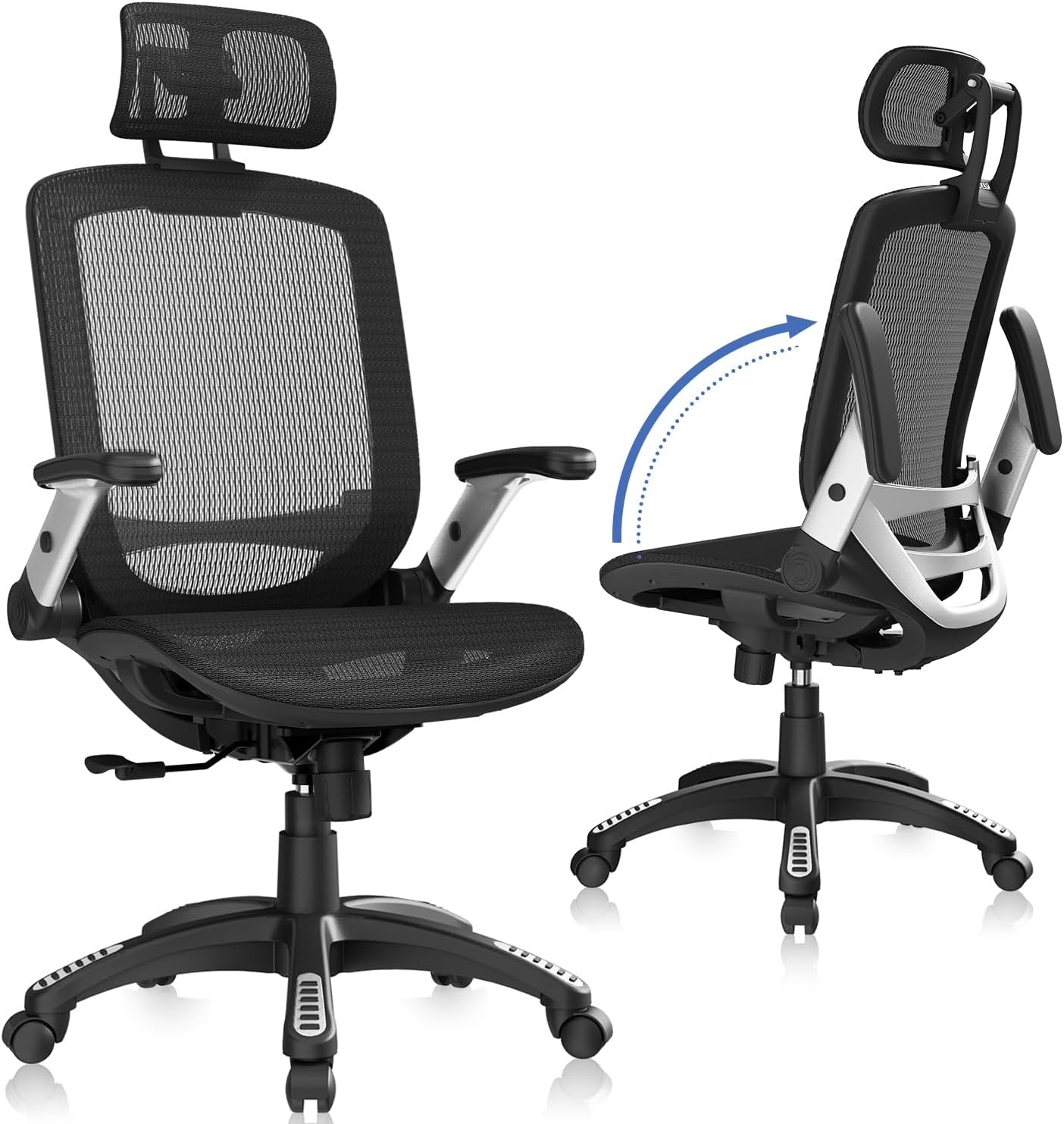
6. Gabrylly Ergonomic Mesh High Back
Sewing machines, irons, and bright task lighting can heat up a sewing room quickly. The Gabrylly chair uses a high-tensile mesh for both the back and the seat. This provides maximum airflow, keeping you cool.
More importantly, it has an incredibly wide range of motion. The arms flip up, which is a massive feature for sewists. You can have arm support when doing hand embroidery, and then flip them up and out of the way when you need to maneuver a large quilt through the machine throat.
- Material: Full Mesh
- Armrests: Flip-up design
- Recline: 90 to 120 degrees
- Headrest: Adjustable height and angle
- Flip-up arms offer the best of both worlds (support vs. space).
- Full mesh design is cooler than foam cushions.
- Wide seat accommodates various body types.
- Mesh seats can feel “stiff” compared to plush foam.
- Larger footprint than the Arrow or Boss chairs.
7. Modway Edge Drafting Chair
Not all sewing happens at a standard table height. If you use a standing desk or a high cutting table for rotary work, you need a drafting chair. The Modway Edge brings ergonomic support to a higher elevation.
It features a chrome foot ring, which is essential. Without a foot ring on a tall chair, your legs dangle, cutting off circulation and pulling on your lower back. This chair allows you to sit comfortably while cutting fabric or pressing at a high ironing station. Speaking of pressing, check out our guide on the best ironing boards to pair with a high chair.
This is also a great companion if you are doing a lot of cutting. For the best tools to use while seated here, see our guide to quilting rotary cutters.
- Type: Tall Drafting Chair
- Height: 20.5″ – 29″ (Seat height)
- Arms: Flip-up
- Footrest: Chrome Ring
- Perfect for high cutting tables or ironing stations.
- Flip-up arms allow you to get close to the work surface.
- Mesh back keeps you cool.
- High center of gravity requires care when sitting/dismounting.
- Not suitable for standard height sewing cabinets.

Buyer’s Guide: Ergonomics 101 for Sewists
Buying a chair online can be tricky. Here are the specific features you need to look for to ensure your new throne will actually solve your back pain issues.
1. The “No-Arms” vs. “Adjustable Arms” Debate
In general office work, armrests are good. In sewing, they are often the enemy. Fixed armrests hit the front of your sewing cabinet, preventing you from getting close enough to the needle. This forces you to lean forward, causing the “hunch.” Look for chairs that are either armless, have flip-up arms, or have 4D arms that slide down and out of the way.
2. Hydraulic Height Range
Your elbows should be at a 90-degree angle when your hands are guiding the fabric. Standard chairs are often too low. Ensure the chair has a gas lift cylinder that can raise you high enough to be over your work, not under it.
3. Seat Edge Design
Look for a “Waterfall Edge.” This means the front of the seat cushion curves downward. This relieves pressure on the back of your thighs and keeps blood flowing to your feet, preventing the numbness that comes with long sewing marathons.
4. Lumbar Support
If you have existing back pain, a flat backrest won’t cut it. You need a chair with an S-curve or an adjustable lumbar pillow that fills the gap between your lower spine and the chair. This forces your pelvis into a neutral position.
Frequently Asked Questions
It depends on your floor type and sewing style. Wheels (casters) allow you to easily move between your sewing machine, serger, and ironing board. However, if you press the foot pedal hard and find yourself rolling backward, opt for a chair with “glides” or locking casters.
Neck pain usually stems from the chair being too low or the table being too high. This forces you to shrug your shoulders or crane your neck forward. Adjust your chair height so your shoulders are relaxed and down.
Yes! Saddle stools open up the hip angle, which preserves the natural curve of the lumbar spine. However, they lack backrests, so they require good core strength. They are great for short tasks but might be tiring for all-day quilting.
Avoid velvet or highly textured fabrics that act like “velcro” for loose threads and lint. Smooth cotton, leather (or PU leather), and tight mesh are easiest to keep clean in a craft room environment.
Ergonomic experts recommend the 20-20-20 rule, but for physical movement, try to stand up and stretch every 30 to 45 minutes. Walking to the ironing board is a great natural break!