Singer vs Brother Sewing Machines: The Ultimate Brand Showdown
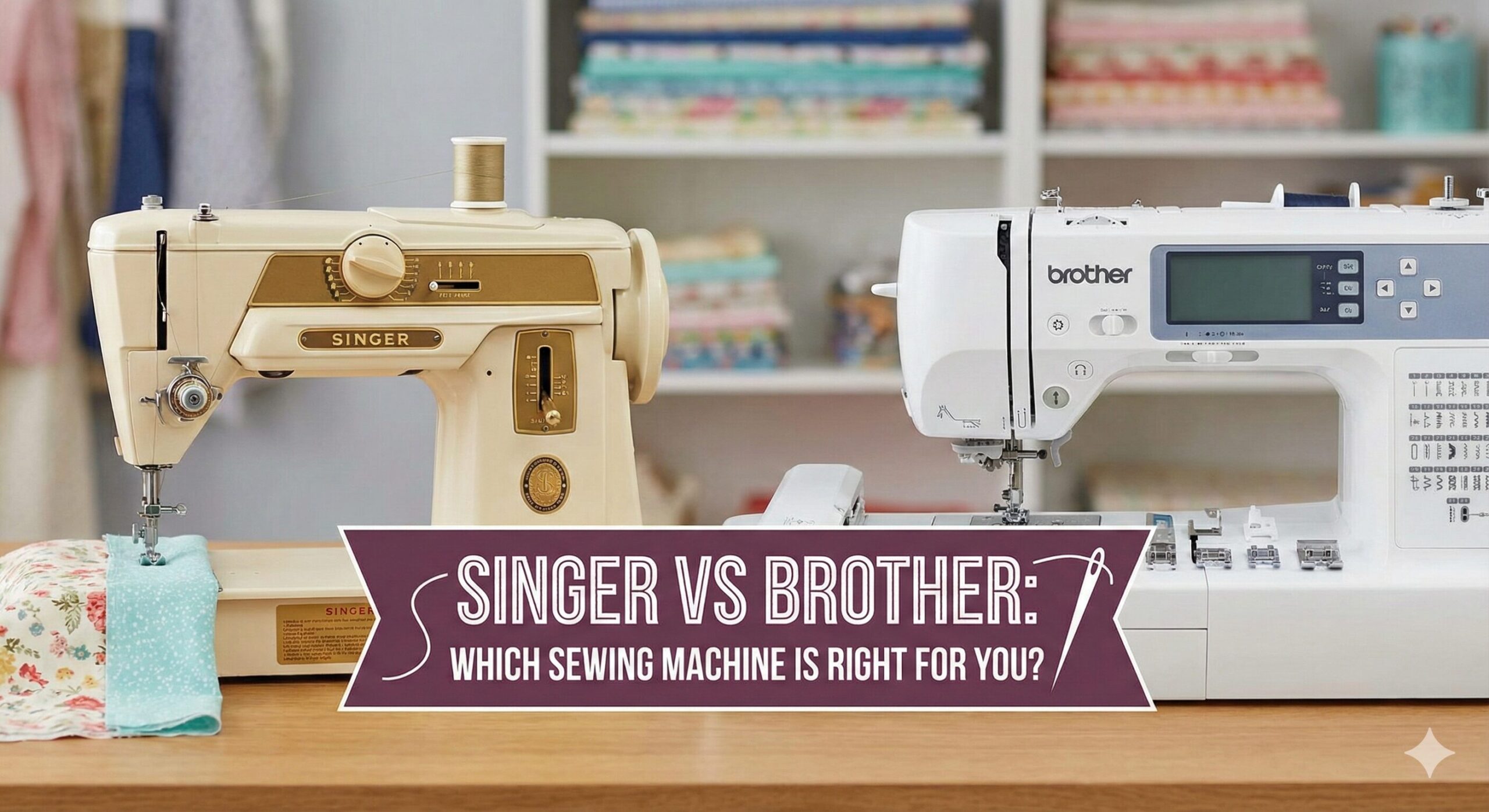
If you are stepping into the world of stitching, you are almost certainly facing the classic dilemma: Singer vs Brother sewing machines. It is the Coke vs. Pepsi of the crafting world. Both brands have loyal followings, massive catalogs, and machines that range from budget-friendly starters to professional-grade workhorses.
Choosing the right machine isn’t just about the brand name; it’s about understanding your specific needs. Are you looking for a rigorous mechanical sewing machine that can handle denim, or a high-tech computerized model for intricate embroidery? Whether you are setting up your first station or upgrading your atelier, this guide breaks down the differences, similarities, and performance metrics of these two industry giants.
At Sewing Device, we have tested hundreds of models to help you cut through the marketing noise. Let’s dive deep into the engineering, usability, and durability of Singer and Brother to find the perfect match for you.
At a Glance: The Tale of the Tape
Before we dissect the mechanics, here is a quick overview of how these two heavyweights stack up against each other generally.
| Feature | Brother | Singer |
|---|---|---|
| Best For | Beginners, Quilters, Tech-Lovers | Traditionalists, Heavy Duty Projects |
| Ease of Use | Excellent (Intuitive threading, drop-in bobbins) | Good (Slightly steeper learning curve on vintage styles) |
| Technology | Advanced (LCDs common even on budget models) | Traditional (Focus on mechanical durability) |
| Price Range | High value for features provided | Broad range, often cheaper for “Heavy Duty” lines |
| Reliability | High (Less prone to jamming) | Variable (Entry-level can be plasticky; HD line is tough) |
Legacy vs. Innovation: The Brand Philosophies
Singer: The American Classic
Founded in 1851 by Isaac Merritt Singer, this brand is synonymous with sewing. For over a century, Singer was the only name that mattered. Their philosophy has largely remained rooted in mechanical tradition. When you look at their “Heavy Duty” line (the grey machines), they scream industrial capability.
However, in recent decades, Singer has faced criticism regarding the consistency of their entry-level manufacturing. While their vintage machines are bulletproof, some modern low-end models require frequent sewing machine troubleshooting compared to their rivals.
Brother: The Japanese Innovator
Brother started as a sewing repair shop in Japan in 1908. While they have a long history, their approach is distinctly modern. Brother dominates the “computerized” market. They focus heavily on user experience (UX), ensuring that even someone who doesn’t know how to use a sewing machine can get started within minutes.
Brother machines often come with more accessories out of the box and utilize technology to prevent user error, such as jam-resistant drop-in bobbins and error code alerts (like understanding what E6 means on a Brother sewing machine).
The Battle for Beginners: Entry-Level Models
If you are just reading a sewing machine setup guide for beginners, you don’t want to spend $1,000. You want something reliable under $200. Here, Brother typically takes the lead.
Brother’s Advantage: Models like the Brother XM2701 or the GX37 are incredibly forgiving. They feature top-drop bobbins (clear plastic covers so you can see your thread supply) and automatic needle threaders that actually work. The manuals are diagram-heavy and easy to follow.
Singer’s Approach: The Singer Start or M3500 series are decent, but they often use front-loading bobbin systems. For a novice, front-loading bobbins can be fiddly and are a common reason why sewing machines jam. However, Singer machines often feel physically heavier, which provides stability on the table.

Heavy Duty Projects: Denim and Canvas
This is where the tide turns. If you plan to sew thick curtains, jeans, or canvas bags, you need torque and piercing power. This requires a robust motor and a strong frame.
The Singer Heavy Duty Series (4411, 4423, 4452)
These grey beasts are iconic. They boast a 60% stronger motor than standard machines and a stainless steel bedplate. They sew fast—up to 1,100 stitches per minute. For pure mechanical speed and the ability to punch through layers without breaking needles (assuming you aren’t facing needle problems caused by user error), Singer wins here.
Brother ST371HD & ST150HDH
Brother’s answer is the “Strong and Tough” series. While capable, they often feel slightly more refined but less “raw power” than the Singer 4423. However, the Brother ST150HDH brings computerized precision to heavy-duty sewing, which Singer lacks in this price bracket. If you want to sew thick fabrics but still want a speed slider and needle up/down button, Brother is the safer bet.
Singer Heavy Duty Pros
- Higher sewing speed (1,100 SPM)
- Simple mechanical interface
- Stronger motor in budget class
- Stainless steel bedplate
Singer Heavy Duty Cons
- Can be loud
- Foot pedal sensitivity issues
- Lighting is often dim

Computerized Machines and Quilting
Transitioning from a mechanical to a computerized sewing machine opens up a world of decorative stitches, buttonholes, and precision.
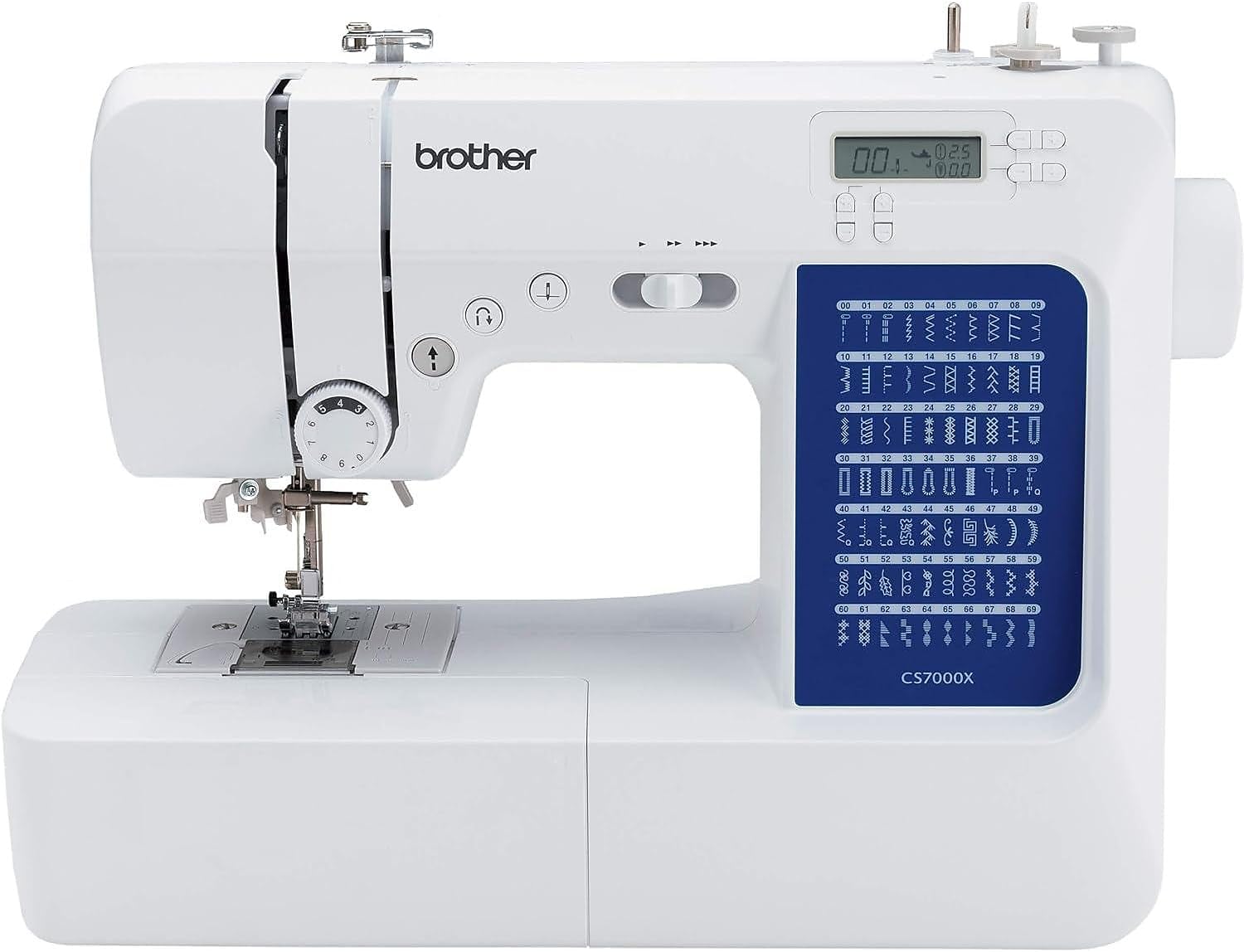
Brother dominates this category with models like the CS7000X and HC1850. These machines offer:
- Speed Control Sliders: Essential for intricate work where you don’t want to rely on foot pressure.
- Start/Stop Buttons: Allows you to sew without the pedal.
- Wide Tables: Crucial for quilters. Pair this with the best quilting cutting mat and rotary cutters, and you have a full studio setup.
Singer’s Quantum Stylist 9960 is a formidable competitor. It is a beast of a machine with over 600 stitches and automatic thread trimming. However, the interface is slightly dated compared to Brother’s modern LCD screens. For quilters, both brands offer walking feet and quilting bars, but Brother tends to include more of these feet in the box, whereas Singer often requires additional purchases.
If you are getting into quilting, remember that machine choice is only half the battle. You also need to understand batting selection and utilize quilting hacks to manage large fabric volumes.
Ease of Use and Maintenance
How easy is it to sit down and sew? This involves threading, bobbin winding, and maintenance.
Threading and Setup
Brother machines utilize a numbered diagram printed directly on the machine body that is virtually foolproof. Their automatic needle threaders are lever-action and rarely miss. Singer machines also have diagrams, but the thread path on mechanical models can sometimes feel tighter or less intuitive.
Troubleshooting
Every sewist will eventually ask, “Why is my sewing machine not sewing?” Brother machines are excellent at self-diagnosis. Their computerized models throw specific error codes. Singer machines, particularly the mechanical ones, require you to diagnose by sound and sight. Is the timing off? Is the tension weird? You need to know your machine better with a Singer.
Universal Parts?
A common question is, are sewing machine needles universal? Generally, yes. Both Singer and Brother use the standard home sewing needle system (130/705H). However, bobbins are not always interchangeable. Brother almost exclusively uses Class 15 (SA156) clear bobbins. Singer uses Class 15 transparent in some, but Class 15J or Class 66 in others. Using the wrong bobbin is the #1 cause of jamming.
Essential Accessories for Your Machine
Regardless of whether you choose Singer or Brother, your output quality depends on your tools. A machine is only as good as the thread and needles you feed it.
- Thread: Cheap thread produces lint that clogs machines. Always check our guide on the best cotton threads to ensure smooth operation.
- Cutting Tools: You can’t sew what you can’t cut. Invest in high-quality sewing scissors for fabric and cheap ones for paper patterns. For quilters, learning how to use a rotary cutter safely is mandatory.
- Organization: Keep your fabric in place with sewing clips (a modern alternative to pins) to avoid breaking needles on thick layers.
Final Verdict: Which Should You Buy?
The “Singer vs Brother” debate doesn’t have a single winner, but it has clear winners for specific users.
Choose Brother If:
- You are a beginner who wants a frustration-free learning experience.
- You want to do quilting or embroidery without spending a fortune.
- You prefer computerized features like speed sliders and auto-thread cutting.
- You value detailed, easy-to-read manuals and lightweight portability.
Top Recommendation: Brother CS7000X
Choose Singer If:
- You need a Heavy Duty machine for denim, canvas, or upholstery on a budget.
- You prefer the tactile feel of mechanical dials over screens.
- You want a machine with a high stitching speed (Singer HD line).
- You appreciate the vintage aesthetic and simple, rugged construction.
Top Recommendation: Singer 4423 Heavy Duty
Before making your purchase, ensure you have a sturdy workspace. Check out the best sewing tables to keep your new machine stable and vibration-free.
Frequently Asked Questions
Is Singer or Brother better for beginners?
Brother is generally considered better for beginners due to their user-friendly features like drop-in bobbins, clear threading diagrams, and speed control sliders that prevent common novice mistakes.
Can Singer Heavy Duty machines sew leather?
Yes, the Singer Heavy Duty series (like the 4423) can sew soft garment leather and vinyl, provided you use the correct leather needle and a Teflon or walking foot. However, for thick saddle leather, an industrial machine is required.
Do Brother sewing machines break easily?
No, Brother machines are reliable. However, entry-level models have more plastic components than vintage machines. They are durable if maintained correctly, but dropping them can cause damage to the computerized components.
Are presser feet interchangeable between Singer and Brother?
Mostly, yes. Both modern Singer and Brother machines use “low shank” presser feet. However, snap-on adapters can vary slightly, so it is always best to buy generic feet labeled as compatible with both or stick to brand-specific sets.
Which brand has better warranty support?
Both offer 25-year limited warranties on the chassis. However, the electronics usually have a much shorter warranty (1-2 years). Brother’s customer service phone support is often rated slightly higher for responsiveness than Singer’s in recent years.
Conclusion
Ultimately, the choice between Singer vs Brother sewing machines comes down to your sewing style. If you want a modern, feature-rich experience that holds your hand through the learning process, go with Brother. If you want a mechanical workhorse that feels like a traditional tool and handles speed well, go with Singer.
Whichever you choose, remember that sewing is a journey. Don’t be afraid to make mistakes—that’s how you learn. Grab your machine, pick out some best sewing patterns, and start creating something beautiful today.
Ready to start sewing? Check the latest deals on our top picks.
Explore Sewing Machines on Amazon